

Michigan is home to the third largest population of Bangladeshis in the U.S., with a significant number living in the Metro Detroit area.

Bangladeshi immigrants struggle with several challenges when trying to access health care. Among them are language, cultural competency and adequate insurance.

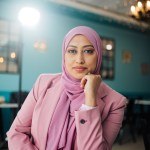
As part of a new four-part series called, “Shustho: Mind, Body, and Spirit,” WDET’s Nargis Rahman reports on how Bangladeshi women in Southeast Michigan are overcoming cultural barriers.
Shustho means healthy in Bangla.
As part of the series, Rahman interviewed 19 people, including health care workers, community organizers, and a Bangladeshi woman, to learn about barriers and challenges to healthcare among Bangladeshi women in Southeast Michigan. Notably, Nargis found that language access, cultural competency, and affordability play a role in how Bangladeshi women can access health care.
Click on the stories below to see more:
Bangladeshi mental health counselors work toward breaking stigma, building culturally informed care

Mental health counselor Shuhrat Choudhury says stigma is the biggest reason many Bangladeshi women don’t seek care — especially among older generations. Read more.
Free health clinic aims to close insurance gap for Bangladeshi women in southeast Michigan

Nurse Practitioner Joann Harrison says about 30% of the patients at the Health Unit on Davison Avenue in Detroit (HUDA Clinic) are Bangladeshi women. Read more.
Bangladeshi women rely on culturally competent care for better health outcomes

Many Bangladeshi-American health care workers offer culturally competent care, bridging the gap for Bangladeshi women, but they say more education is needed for non-Bangladeshi providers. Read more.
How language access affects health care for Bangladeshi women in Michigan

Community organizations like the Detroit Friendship House in Hamtramck are working to bridge the language gap. Read more.
Nargis Hakim Rahman is the Civic Reporter at 101.9 WDET. Rahman graduated from Wayne State University, where she was a part of the Journalism Institute of Media Diversity.