


Earlier this month, Detroit had a historic election with the people electing Mary Sheffield, the first Black woman to serve as Mayor, along with new and experienced members of the City Council. This mayor and council will be serving a city where more than one in four adults has a disability.
Nearly 30% of the voters who cast votes in this election had one or more disabilities. Despite this, many of the candidates had little to say about how their plans and policies would benefit disabled Detroiters and how they would include disabled people in shaping the future of Detroit.
Detroit’s future must be a future for all. That includes disabled folks. The issues that matter most to us — accessible public transportation, affordable housing, quality healthcare, and employment opportunities — are the same issues that strengthen communities for everyone. A city that works for people with disabilities works better for parents with strollers, seniors with mobility assistance needs and anyone who relies on a truly functional infrastructure.
The new mayor and council members have an opportunity now, before they are sworn in, to make concrete commitments: ensuring their plans for transportation, housing, healthcare and employment specifically address how they will serve and create opportunity for disabled Detroiters. Disabled people represent every race, age, economic status and neighborhood in Detroit. Their concerns are Detroit’s concerns and those concerns should be addressed by those who will be serving the people of Detroit.
Elected officials in this city have historically overlooked and underserved Detroit’s disabled residents, workers and visitors. From physical infrastructure barriers, to accessible communications, to disability-informed customer service, the city plays an essential role in ensuring everyone has access to the services, information and support they need. The city has the ability to set the standard for what disabled folks experience when they are in their neighborhood, going to the grocery store or bank, or coming into town to watch the Lions, Tigers, Pistons and Red Wings games.
Detroit’s new Mayor and City Council can help lead in making Detroit a more accessible city for all. They will have the ability during their time in office to create policy, set standards and fund improvements that address some of the biggest barriers disabled people experience in Detroit. They can make sure that all public meetings, city events, and services have support that ensures people who are Deaf, Hard of Hearing and DeafBlind are able to participate in and have their voices heard. They can”
- Implement policies and programs to address a lack of reliable and accessible transportation, inaccessible bus stops, broken sidewalks and missing curb cuts.
- Ensure there is adequate, accessible and affordable housing for those who require specific home accommodations.
- Prioritize access to healthcare for all because any Detroiter could become ill or disabled tomorrow, and the best way to protect everyone is by ensuring everyone has healthcare before they need it.
- Put protections in place that ensure those with cognitive and developmental disabilities are provided fair pay and are able to work free of exploitation, regardless of whether they are public or private employees.
While the Mayor and Council should do all of these things because they are the right thing to do, there is also a compelling economic argument for making disability policies a priority. Disabled Detroiters want to work, contribute and participate fully in our city’s resurgence. When the Mayor and Council prioritize disabled people while developing accessible job training programs, inclusive hiring practices and support for small businesses, they’re investing in economic growth for every Detroiter. The disability community has spending power and entrepreneurial energy that remains largely untapped due to the unaddressed barriers across this city.
To disabled Detroiters: Your voice matters. The challenges you face in navigating daily life are not inevitable, and our elected leaders can create a more accessible city. Contact them now and throughout their time in office, asking them how they will make sure Detroit is a city that welcomes, appreciates and includes its disabled residents.
And to all Detroiters: The measure of our democracy is how well it serves those who face the greatest barriers. When we lift up Detroiters with disabilities, we elevate our entire city. Let’s commit to a Detroit where every voice is heard, every barrier is addressed, and every Detroiter — regardless of disability — has a place in our city. The fight for accessibility in Detroit is not new. Those of us who have been advocating for a more accessible city have great hope for what can be done to make Detroit the welcoming, accessible city we want it to be. The experience and hope of many disabled Detroiters and activists are reflected in something Teddy Dorsette III, Executive Director for Access, Equity & Leadership Collective, shared while this piece was being drafted:
“As a Deaf Detroiter, I’ve been calling for real investment in accessibility and leadership for years. Now is the moment for Mayor-Elect Sheffield to back her words with action — by employing staff with lived experience, expanding the Office of Disability Affairs and ensuring disabled Detroiters are not once again an afterthought. Detroit cannot call itself an ‘accessible city’ while ignoring the people who need access the most. We will hold this administration accountable for the promises made to our community.”
The disability community is demanding what every Detroiter deserves: an accessible seat at the table and an anti-ableist government that works for them.
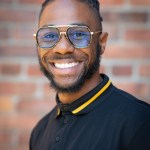
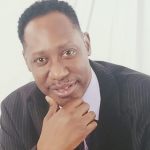
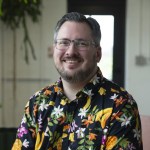
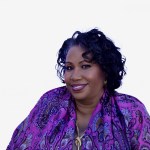
Teddy Dorsette III, is executive director of Access, Equity and Leadership Collective. Dale Moore is chapter liason for Detroit Black Deaf Advocates. Kaci Pellar is policy manager for Detroit Disability Power. Eric Welsby is advocacy director of Disability Action. Lisa Franklin is founder and CEO of Warriors on Wheels of Metropolitan Detroit. Tameka Citchen-Spruce is a filmmaker and disability justice advocate.